How can foresight become a useful tool for decision-makers? ISINNOVA’s participation in the Futures4Europe Conference 2026 and the FOD consortium meeting offered two opportunities to explore this question, through discussions on imagination, learning and future research directions for European policy.
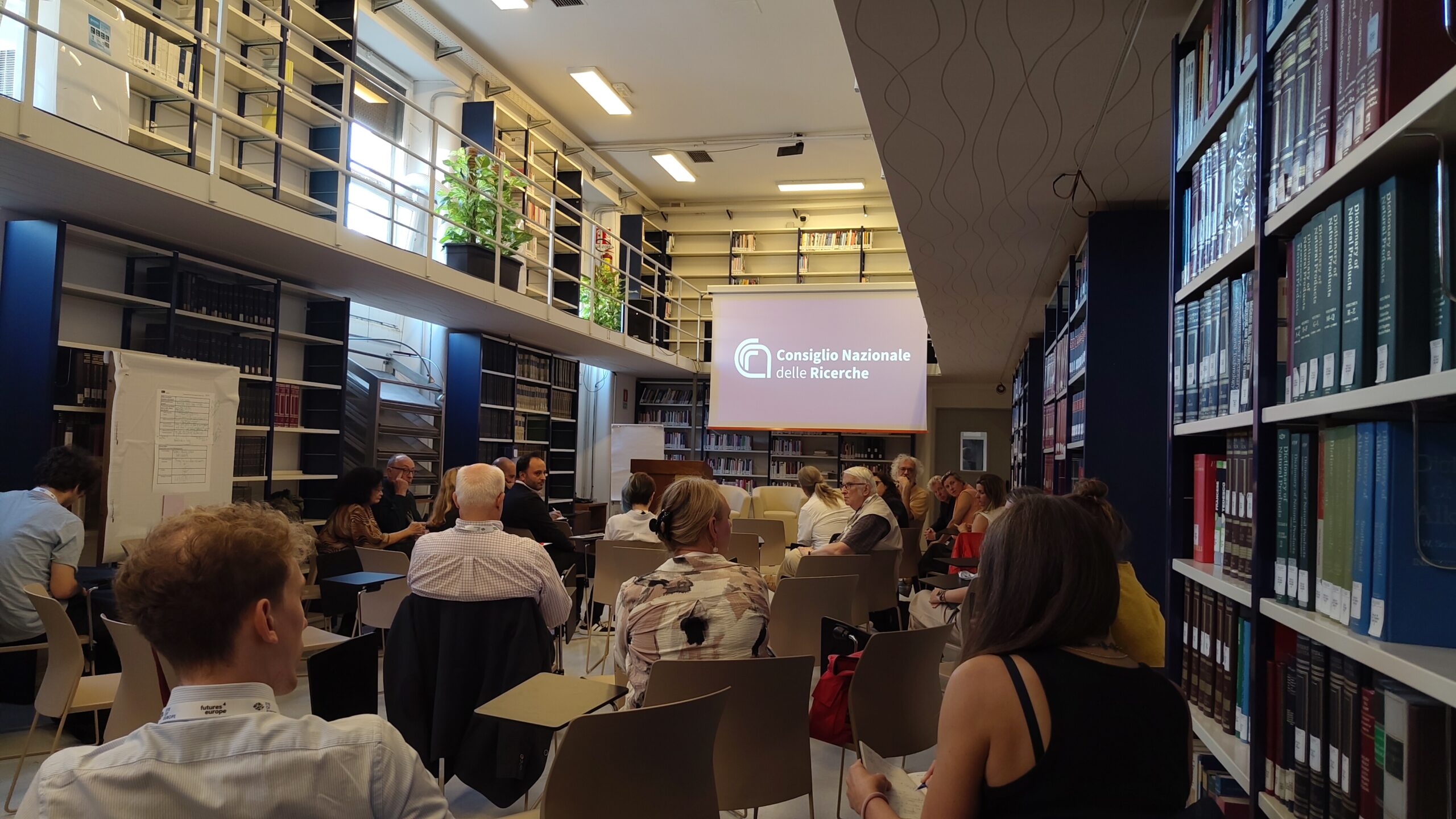
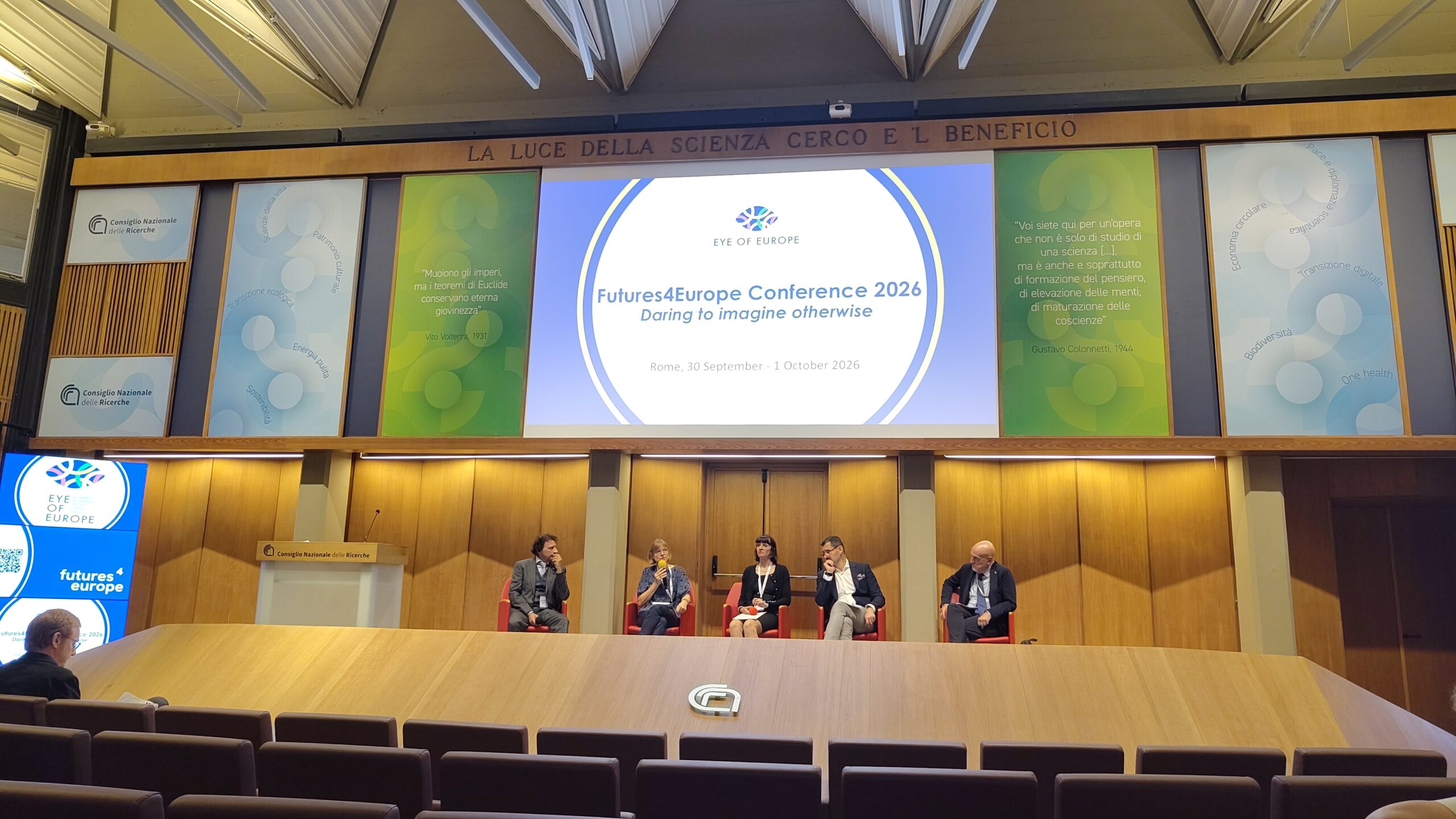
On 30 September and 1 October, ISINNOVA attended the Futures4Europe Conference 2026, “Daring to Imagine Otherwise” in Rome, hosted by the Italian National Research Council (CNR) as part of the Eye of Europe project. With more than one hundred contributions across presentations, workshops and posters, the conference explored the role of imagination in foresight and European policymaking.
Who is foresight for, and what should it help them do?
One question raised during the conference concerned the starting point of any foresight activity: who will use the work, and what decisions will they need to make?
Identifying users and objectives helps connect the exploration of possible futures with practical needs. This applies to institutions as well as individuals: foresight can, for example, help students imagine different personal futures and consider their career choices.
Another topic was the cost of inaction, which should be considered alongside the cost of taking action. Exploring the consequences of doing nothing can broaden the assessment of present choices and their effects over time.
Discussions also highlighted the importance of keeping uncomfortable scenarios in view, even when they are difficult to communicate. Exploring less desirable possibilities can help identify vulnerabilities and prepare for potential shocks. In this sense, foresight can both inform change and strengthen the capacity to adapt.
Bringing foresight into decision-making
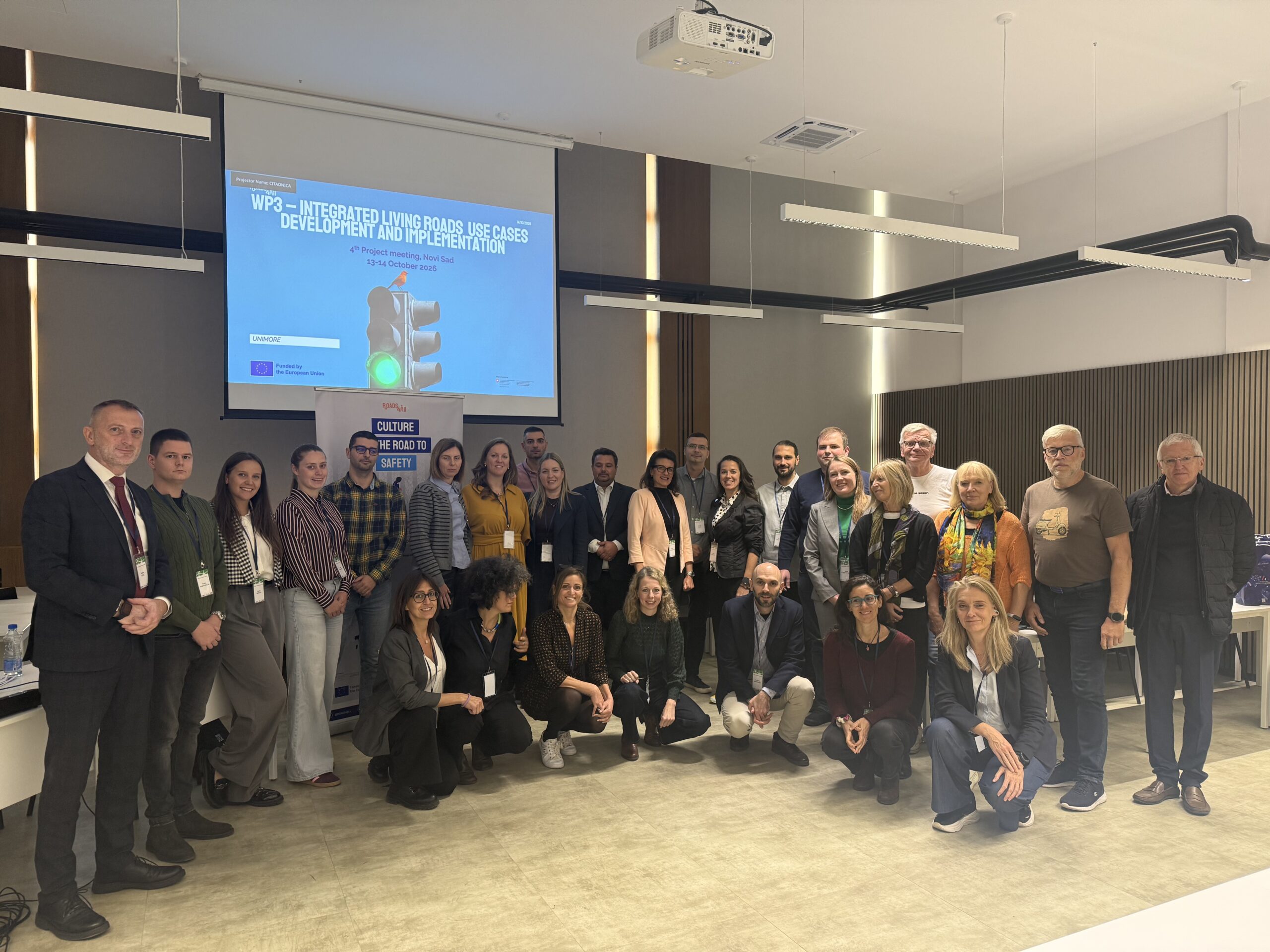
On the afternoon of 1 October, ISINNOVA also took part in the FOD consortium meeting, the foresight framework contract for the European Commission.
One topic was the learning dimension of foresight: how it can help decision-makers think about the future and bring longer-term perspectives into their everyday work. The discussion focused on the skills and approaches needed to make foresight usable in decision-making processes.
The meeting also provided an opportunity to review ongoing projects, discuss new research opportunities and consider ways to further integrate foresight into European Commission policies.
ISINNOVA’s contribution to future research topics
ISINNOVA proposed several topics for further exploration: the future of work with robots and artificial intelligence, young people’s health, urban air mobility, and the impact of climate change on where people will live in Europe.
These contributions joined proposals from other consortium partners, which were grouped into thematic clusters and analysed together. The shared aim is to present them to the European Commission to explore potential new research opportunities.
Together, the two meetings connected reflection on foresight methods with their application in public policy: starting from decision-makers’ needs, considering difficult possibilities and developing the skills to navigate uncertainty.
Explore ISINNOVA’s Strategic Foresight approach and services.